




Why durable-goods brands need purpose-built data (and what happens when you don’t).
You’ve probably seen the big, splashy Prime-Day recaps:
“Half of shoppers said the discounts were just… fine.”
“Only one in ten walked away disappointed.”
Those numbers are technically true for all Amazon shoppers. But “all” includes those shoppers stuffing their carts with protein shakes, household items and home decor. If you sell cordless drills or countertop ovens, that data can steer you straight out of your next sale.
What durable-goods shoppers actually told us
OpenBrand ran the only Prime-Day survey focused solely on consumer-durable buyers.
Here’s how their experience stacked up during Prime Day:
| Responses | Durables Buyers | Non-Durables Buyers |
| Discounts exceeded expectations | 48.6% | 15.9% |
| Selection exceeded expectations | 46.5% | 19.7% |
| Discounts “Just met expectations” | 45.0% | 70.5% |
| Selection “Just met expectations” | 45.6% | 63.6% |
| Flat-out disappointed on selection or discounts | ~5% | 13% – 17% |
Three critical truths
- Durables shoppers were thrilled. About half of durable-goods buyers said discounts and selection beat the hype (48.6% and 46.5%).
- CPG shoppers were meh. Roughly seven in ten non-durable shoppers settled for ‘just met expectations’ (70.5% for discounts, 63.6% for selection).
- Complaints plummeted for durables. Non-durable buyers were nearly three times as likely to feel disappointed (13-17% vs. ~5 %).
Source: OpenBrand Prime Week Survey Tracker. More information on the survey methodology can be found here.
Why the gap exists
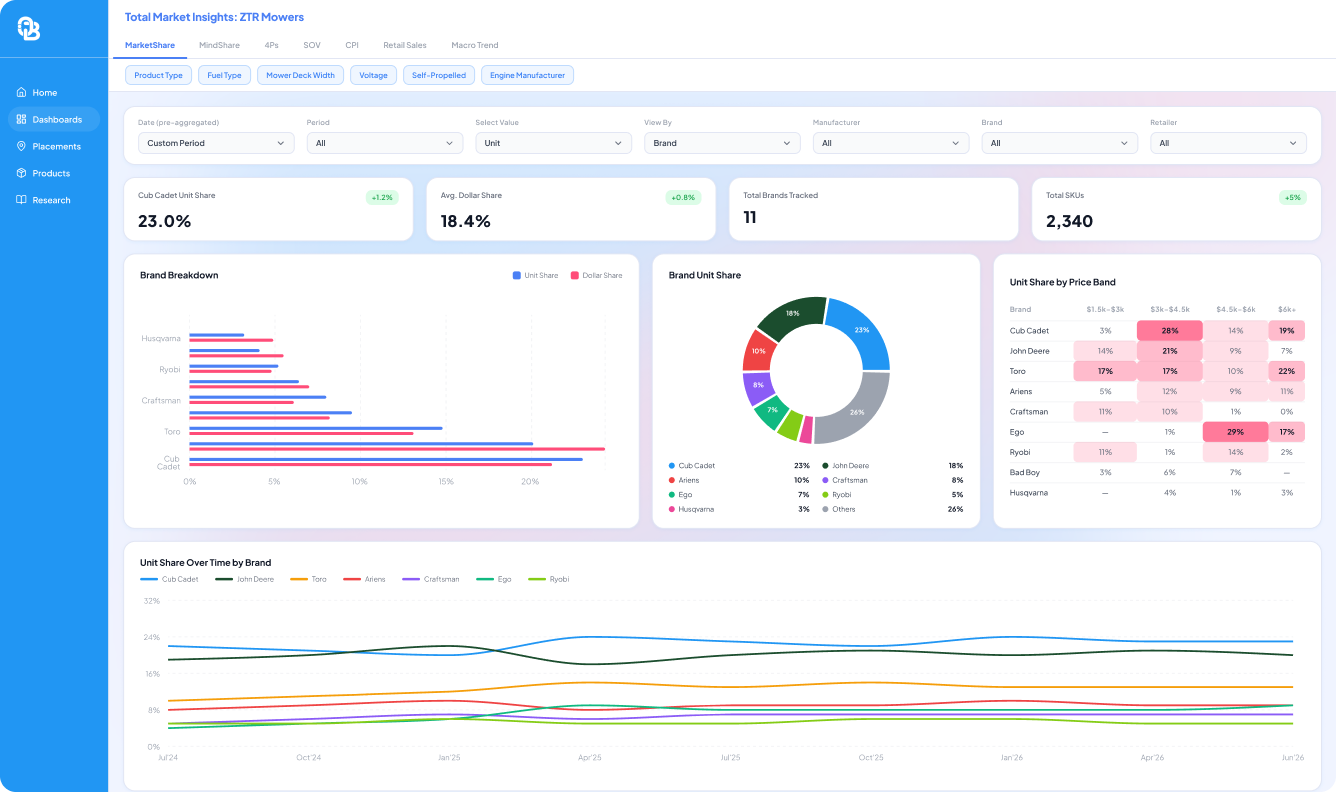
1) Category & Industry specific beats one-size-fits-all. Our platform was engineered specifically to track the behavior of durable goods. Why? Because the buying behaviors are different – longer consideration cycles, higher perceived risk, and bigger baskets. Systems tuned for pantry fill-ups simply miss those signals and nuance.
2) Bigger isn’t always better. Bringing an 800-pound data gorilla into your business sounds impressive, right up until you’re stuck feeding it insights you can’t act on. Depth of focus beats raw bulk every time.
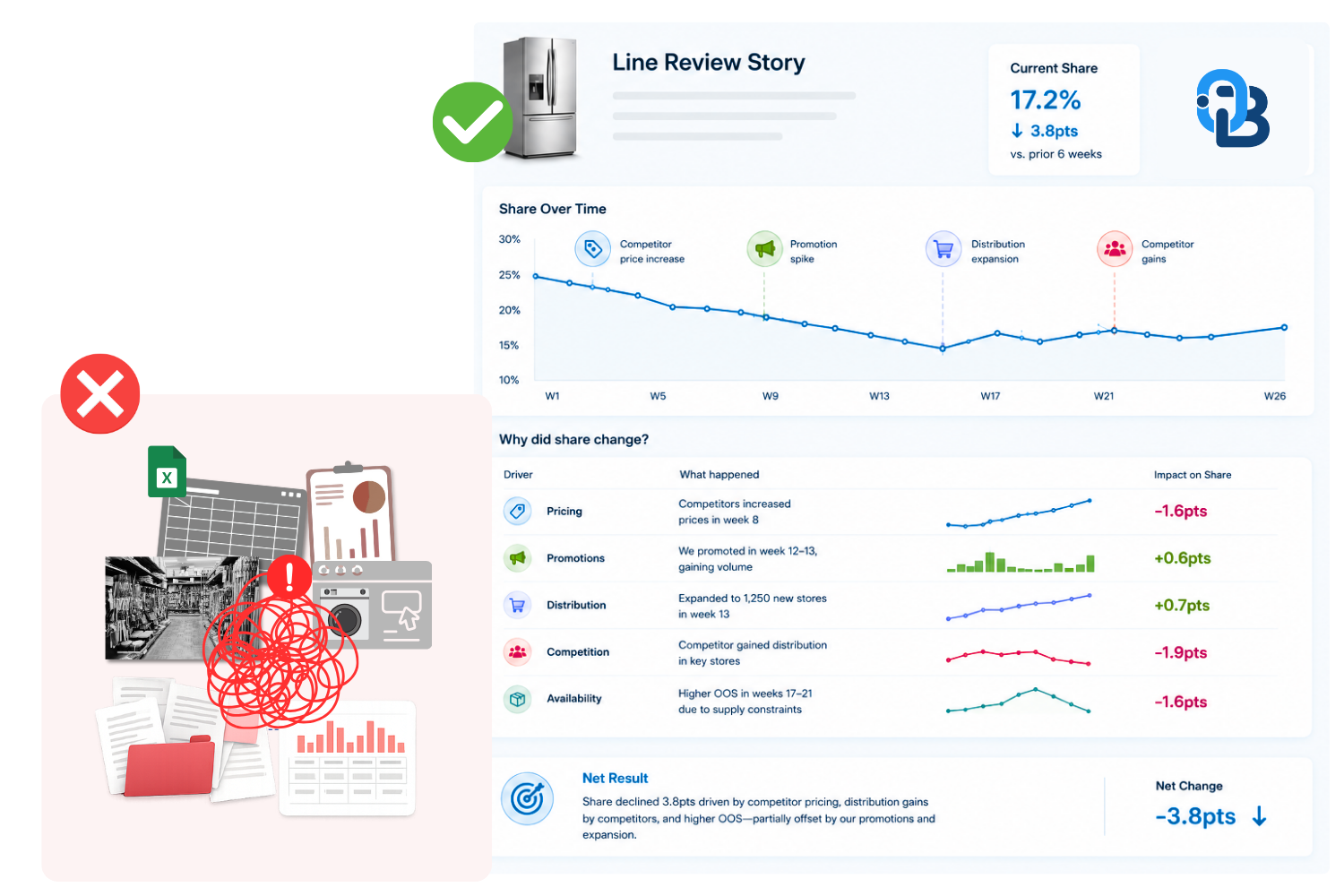
3) Mix the two audiences and you bend reality. When CPG and durables data get averaged together, the strong positives from big-ticket shoppers flatten into mediocrity. That’s why generic Prime-Day stats don’t just blur the picture, they warp it.
The moral for durable-goods brands & retailers
- If you want to know how many people buying hydration powder felt “okay” about discounts, stick with the reports that are not tailored to your buyer.
- If you want to know that durable-goods buyers were more than twice as likely to say Amazon’s deals blew them away—and far less likely to be disappointed—come to the source built for your category.
OpenBrand spends 100% of our time collecting and analyzing the signals that move your margin, not the guys hawking powdered drink mixes.
OpenBrand Prime Day 2025 Survey Methodology Overview
Survey Structure and Timing
OpenBrand conducted three distinct consumer surveys to capture attitudes, behaviors, and comparisons over time across stages of the shopping journey surrounding Amazon Prime Day 2025:
- Pre–Prime Day Survey (n=725)
Fielded: July 2 – July 7, 2025
Purpose: Gauge planned participation, expectations, and awareness of Prime Day promotions - During–Prime Day Survey (n=700)
Fielded: July 8 – July 11, 2025
Purpose: Capture real-time reactions, purchases, frustrations, and ad exposure during the sales event - Post–Prime Day Survey (n=700)
Fielded: July 12 – July 17, 2025
Purpose: Understand downstream purchasing, satisfaction, returns, and follow-on intent
All surveys were fielded online using our MindShare proprietary panel syndication process. Respondents were a random sampling of U.S. adults (18+) screened for awareness of Amazon Prime Day 2025.
Sample Composition
- Total Sample Size: 2,125
- Sample Stratification: Each wave analyzed separately and in aggregate for trend validation
Durable vs. Non-Durable Shopper Classification
Respondents were classified based on the types of products they reported shopping for or purchasing:
Durable Goods Categories:
- Appliances
- Electronics
- Tools & Equipment
- Home Goods (e.g., storage, décor, furniture)
Non-Durable Categories:
- All other
Respondents could be included in both groups if they shopped across categories. However, segment-specific insights are based on exclusive or majority-category behaviors.
