




Winning Seasonal Promotions Step One: Gather Insights
The goal: build a competitive baseline before the cycle starts, while there’s still time to act on it.
Start by building a baseline before the cycle begins. Ahead of your next seasonal sales period, analyze consumer purchase survey data, economic forecasting, and pricing and promotional data to gauge brand performance during the last seasonal cycle and current macroeconomic conditions.
In OpenBrand’s app, the Research Library gives you category-specific, analyst-written market reports and videos alongside curated industry news, so you can see where the category is heading and which competitive dynamics are already in motion. This is your chance to get smart on the season ahead while there’s still time to plan around it.
Before your team spends hours pulling last season’s data, check the Research Library first. OpenBrand’s analysts have already done much of that work — category recaps, competitive pricing summaries, and promotional timing breakdowns are ready and waiting. The discount percentages, ad spend figures, and timing patterns you need are right there, built into the report. Your job is to find it, read it, and build your plan from there.
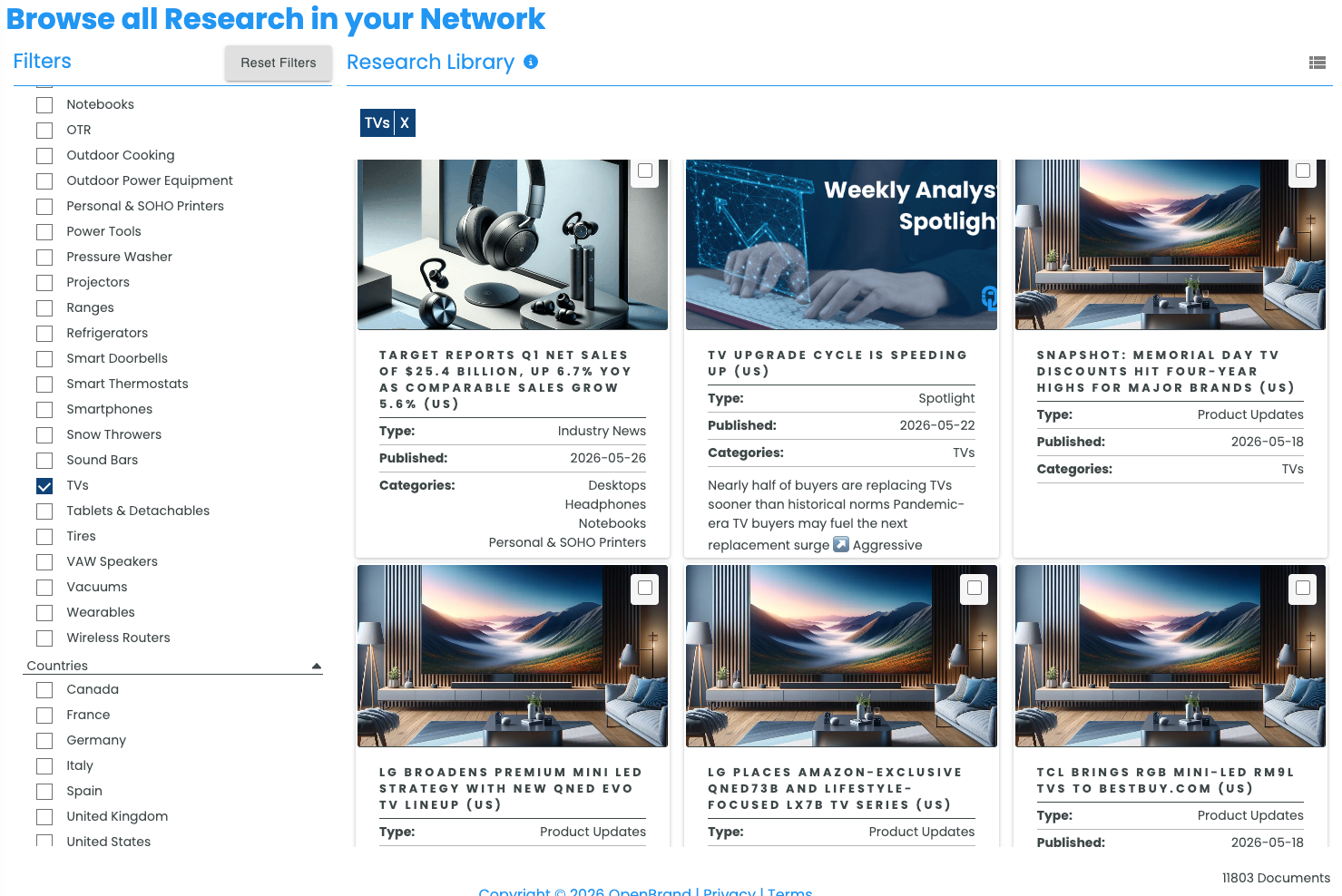
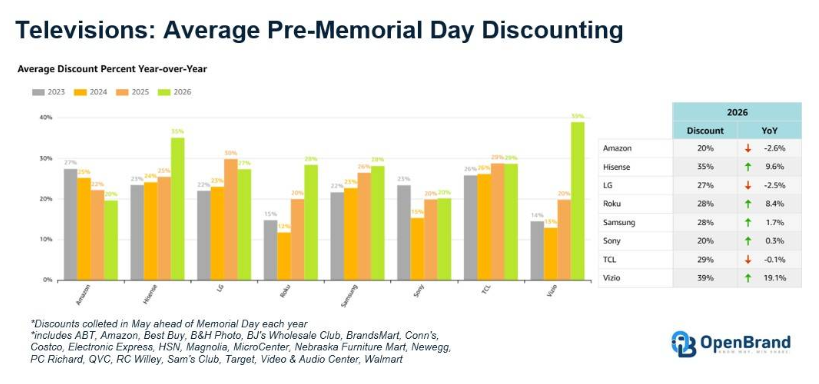
Pricing teams should mine the prior seasons for YOY and seasonal patterns. Television manufacturers planning for Black Friday, for example, use our Research Library to find competitor performance, discount depth and frequency, and advertising activity from the year prior. This helps create a narrative around what happened last time and how to adjust for the coming season.
Winning Seasonal Promotions Step Two: Analyze Data
The goal: turn last season’s competitive activity into a defensible plan for this one.
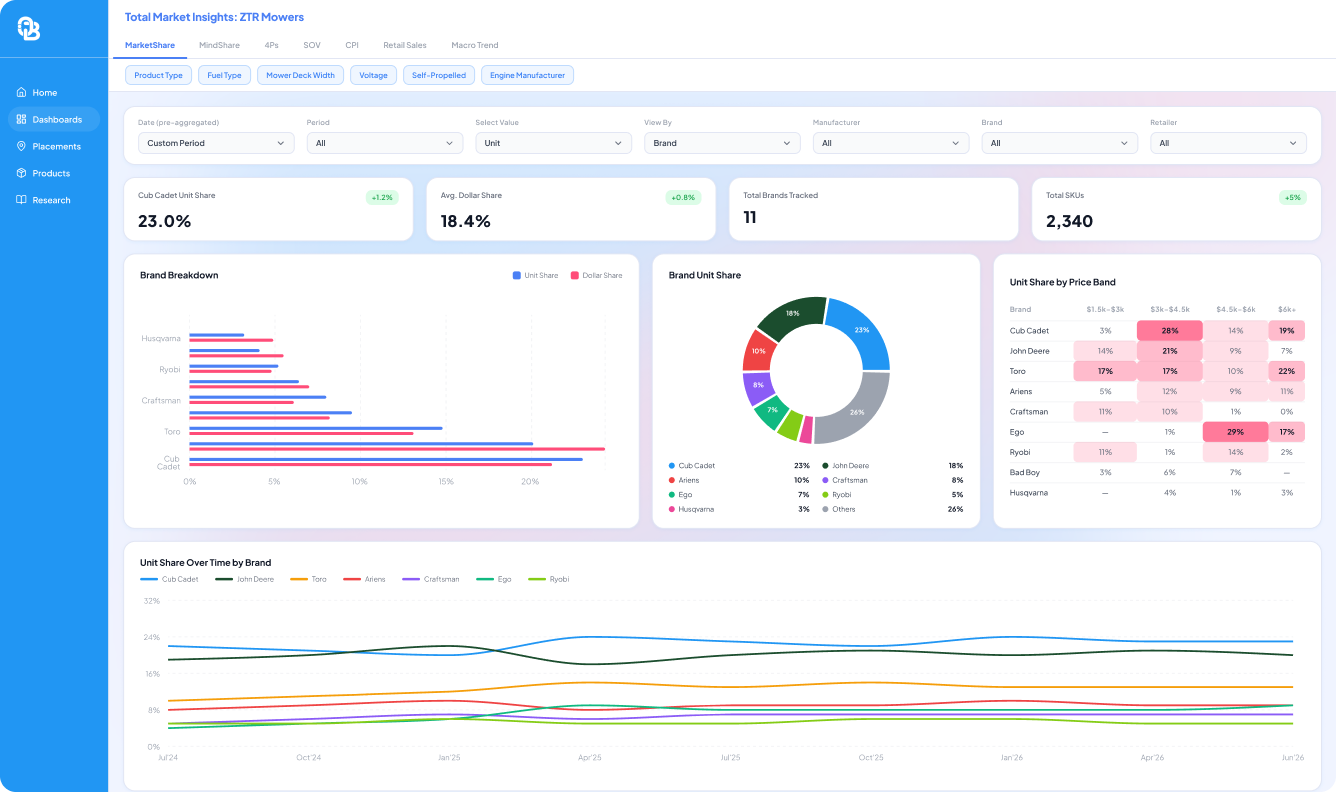
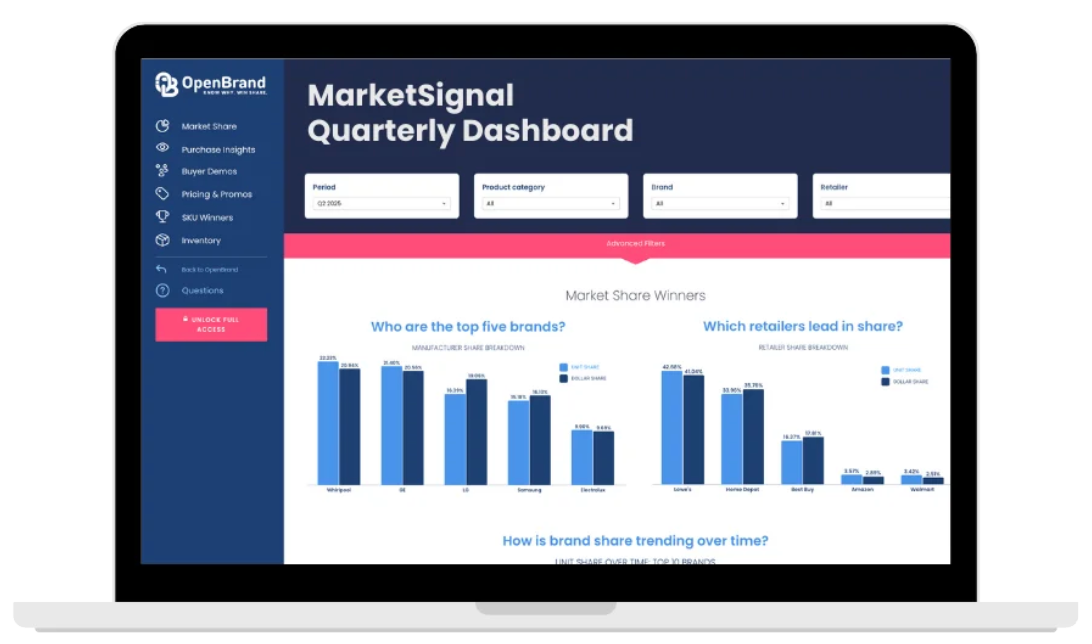
This is where analytics teams turn observation into a defensible plan. Many of OpenBrand’s customers rely on Total Market Insights, a dashboard that unites OpenBrand’s data resources across market share, consumer behavior, and competitive intelligence (pricing, promotions, products, and placement).
This data helps brands and retailers understand when competitors begin to offer new promotions, how quickly items sell out, and when and where sales are being advertised. Companies can also create custom reports that sort advertising, pricing, product specifications, promotions, and more by country, category, and date range.
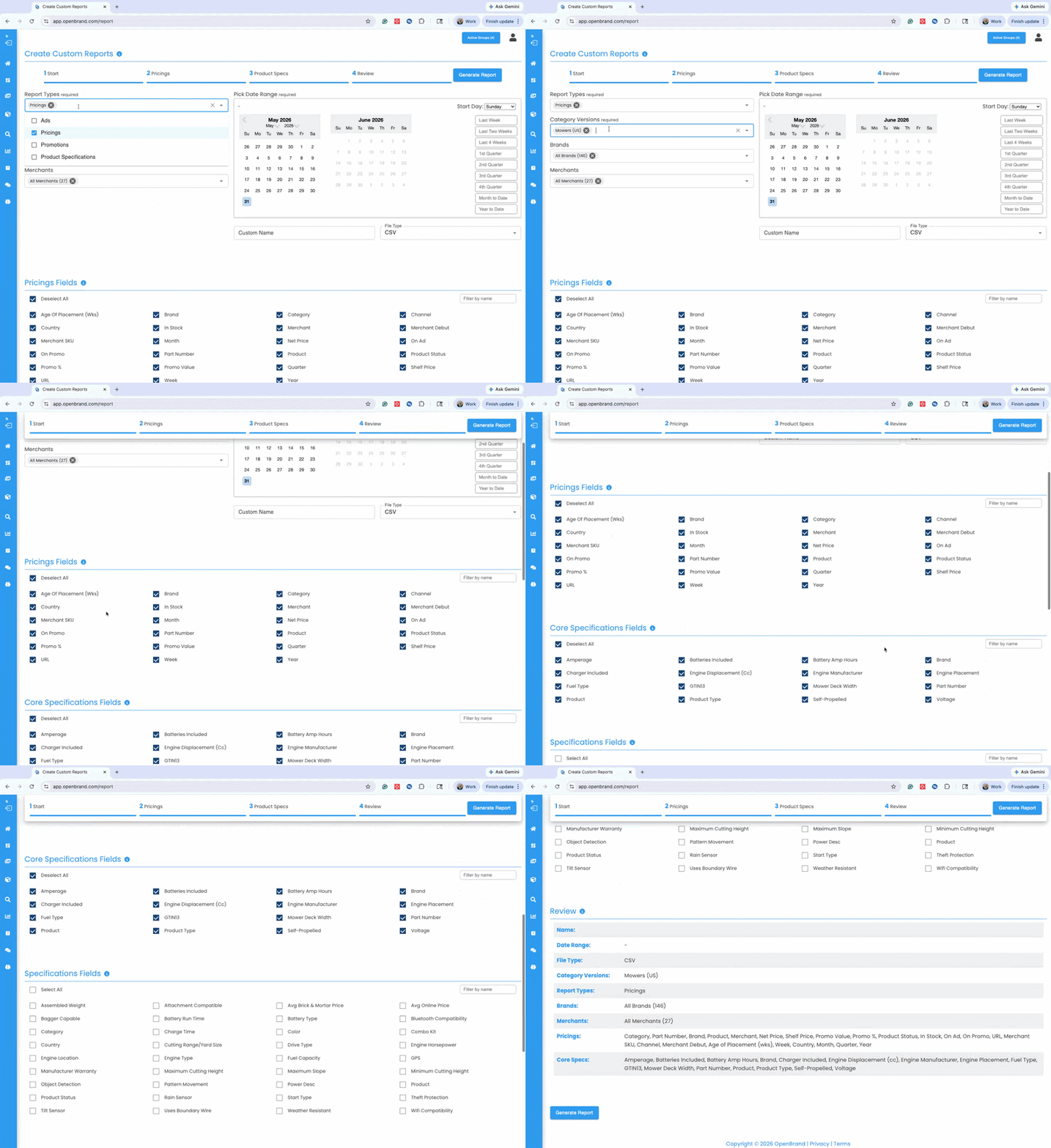
An outdoor power equipment brand, for instance, may generate a report showing when retailers began ramping up promotional activity on lawn mowers last year and whether that translated into an immediate increase in sales. This data then informs decisions about when to begin discounting this year, and by how much.
You can view promotion trends by many different views including product, SKU, brand, retailer, metric, spec, etc.
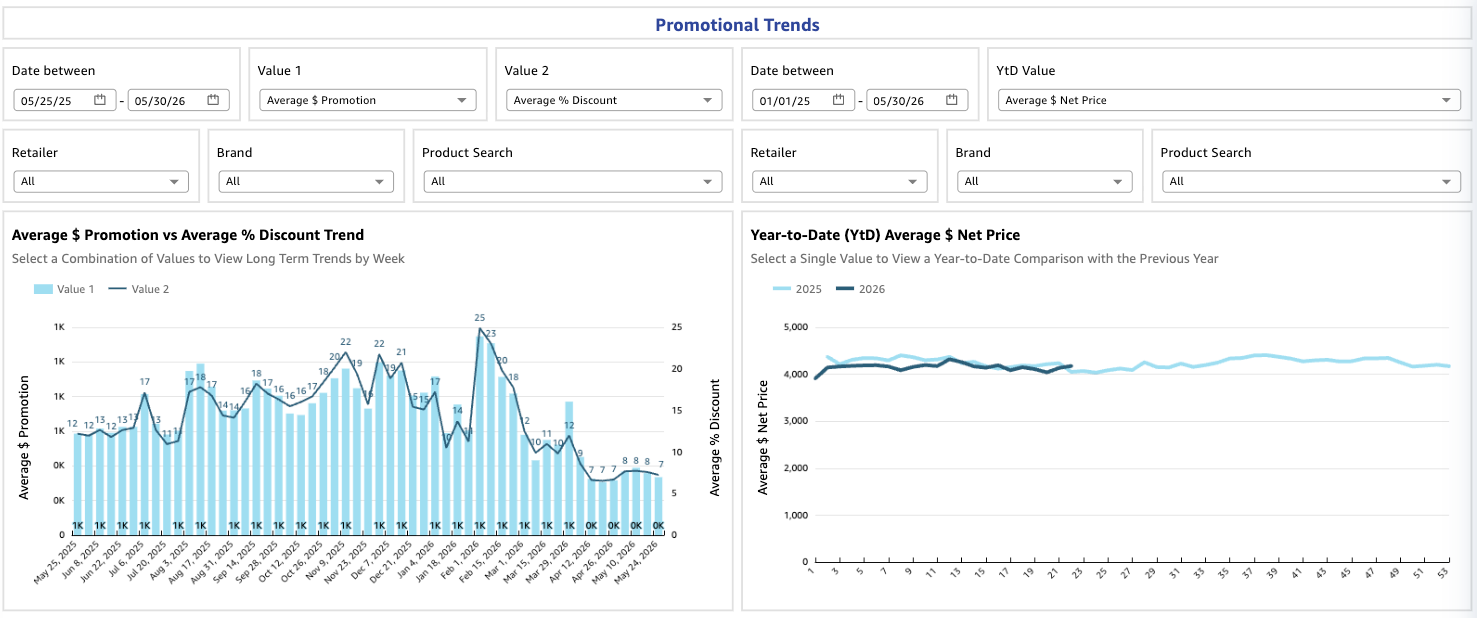
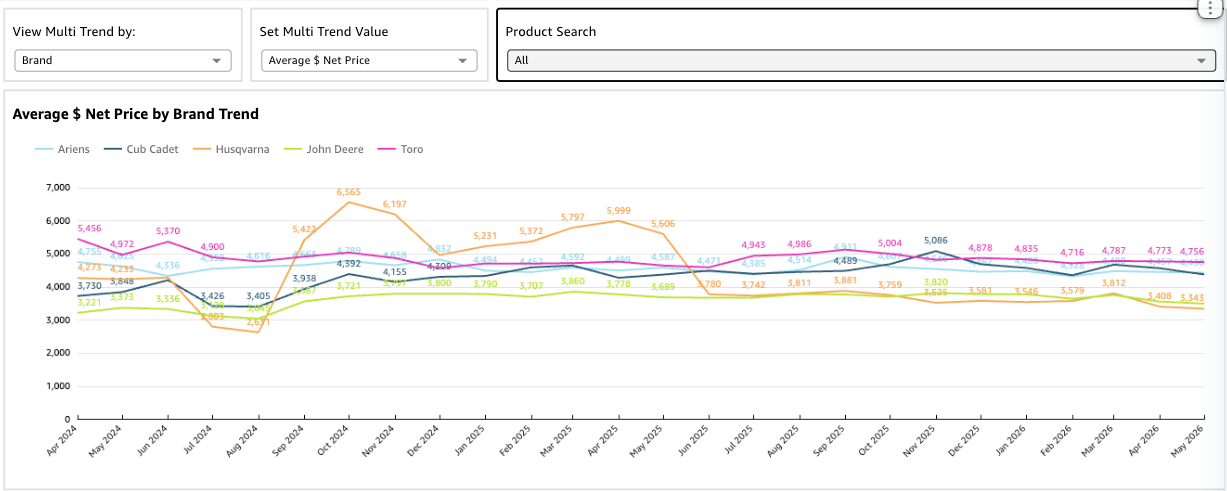
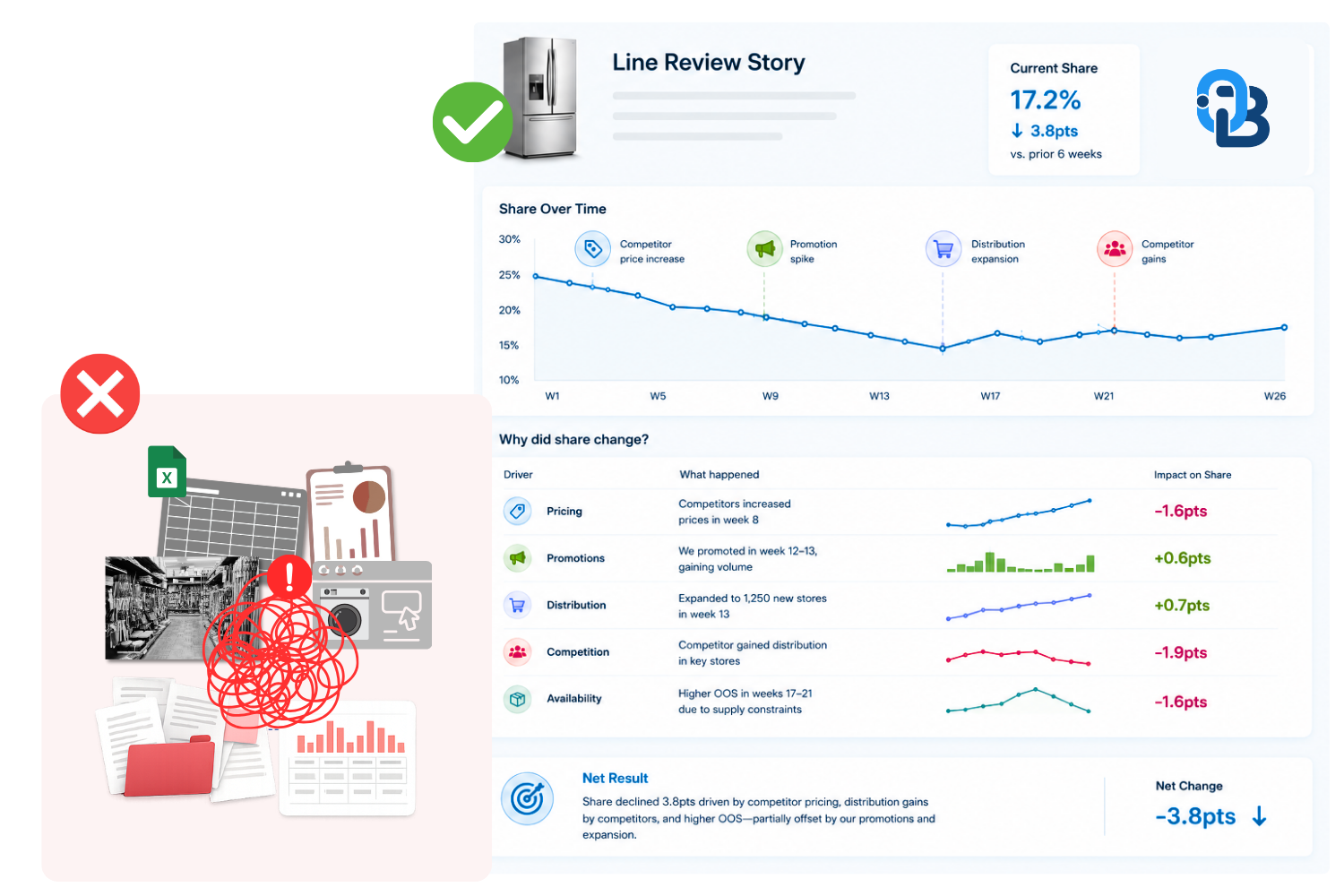
The key at this stage is to identify the why behind the what. If your competitor discounted heavily but didn’t perform well during a recent sales cycle, perhaps that’s an indication they didn’t have the right product mix. OpenBrand’s research and data help brands and retailers identify these trends.
Winning Seasonal Promotions Step Three: Act in Real Time
The goal: detect competitor moves within hours, not days, and respond while demand is still at its peak.
When seasonal promotions go live, timing is everything. During major promotional events, price changes can occur multiple times per day, and consumer demand for a particular product can spike without warning. OpenBrand’s real-time pricing intelligence helps you monitor competitor pricing and promotional activity as it happens so teams can identify shifts, respond quickly, and protect margin.
Intra-day and same-day pricing data allows retailers to detect market changes within hours rather than days and take action while demand is still at its peak. This is especially important for big-ticket durable goods like appliances and furniture, because missing one sale has a larger impact on overall revenue.
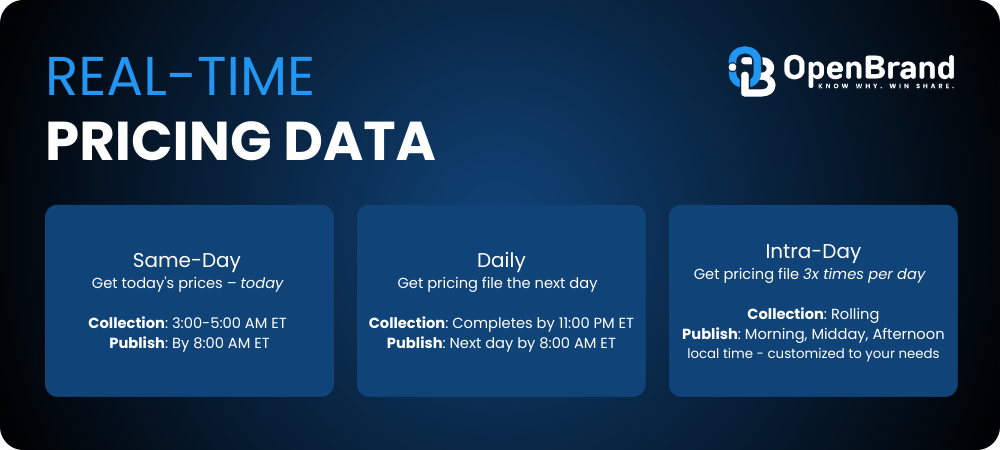
Additional signals such as key SKU availability and advertising activity also help companies better understand whether competitors’ products are in stock or being supported by additional marketing spend. Combining these inputs creates a clearer picture of market dynamics as they unfold — and gives teams what they need to make faster, more confident calls.
Winning Seasonal Promotions Step Four: Reflect
The goal: turn post-promo data into next season’s starting point, not just a performance recap.
Once the promotional period ends, OpenBrand’s tools can be put into practice to evaluate performance beyond topline sales. Use market share data to understand whether your pricing and promotional decisions helped your brand win visibility and demand during the period. Then review consumer purchase insights with MindShare to identify shifts in shopper behavior, including changes in demographics, retailer switching, or brand leakage.
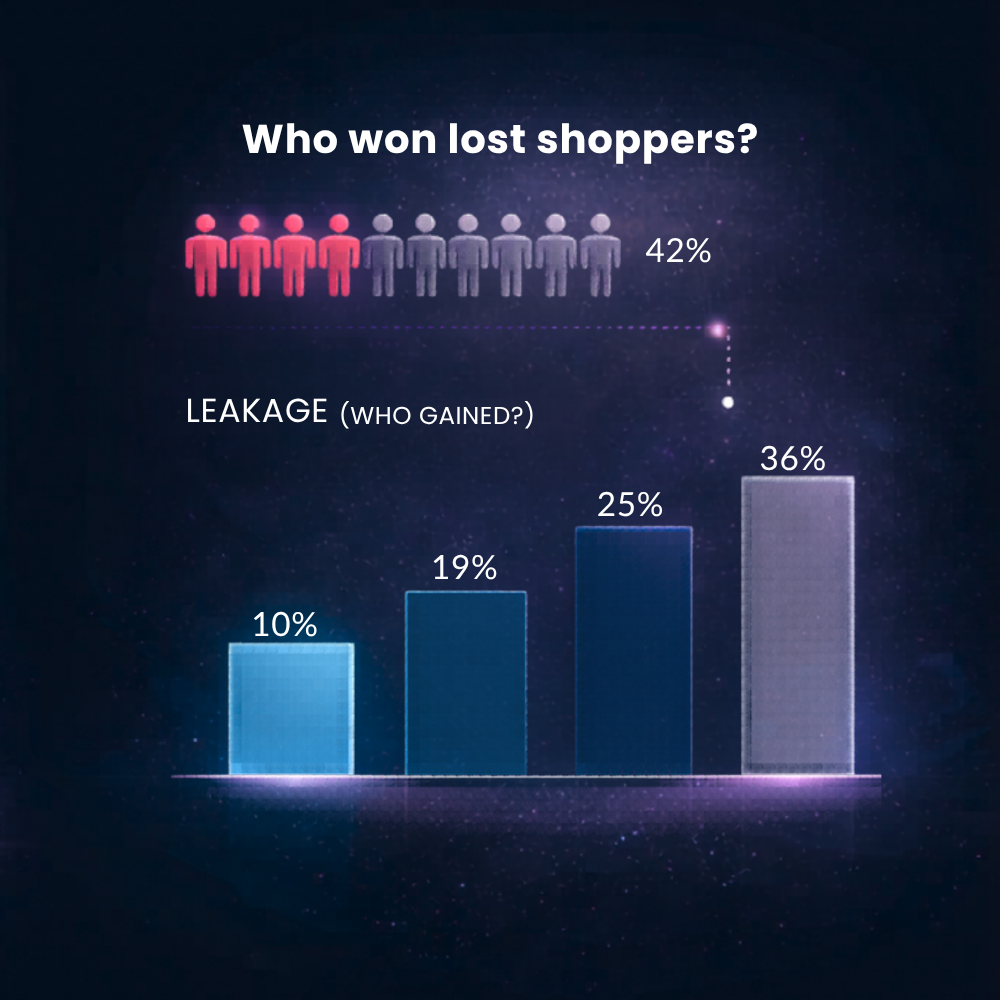
Done well, this review becomes the starting point for next season’s plan — not a post-mortem, but a playbook.
Be Prepared For Your Next Promotional Cycle
The brands that come out of peak season with better results aren’t doing something exotic. They’ve built a process — pre-season research, data analysis, real-time monitoring, post-event review — and they’re running it consistently. The data advantage compounds over time.
In an increasingly competitive retail landscape, market intelligence is no longer a nice-to-have — it’s the foundation for winning peak sales moments and driving long-term growth.
If you’re building your strategy for the upcoming season, our team can walk you through how OpenBrand’s pricing and analytics tools fit into your workflow. Request a demo and see how OpenBrand’s pricing intelligence fits into your seasonal promotional process. No pitch, just a practitioner-to-practitioner look at how the pieces connect.
FAQ
What pricing data should consumer durables brands analyze before a seasonal promotion?
Before a promotional window opens, brands should analyze competitor discount depth and frequency, promotional timing patterns, and category-level pricing distributions from the prior season. OpenBrand’s Research Library provides analyst-written category recaps and competitive pricing summaries so pricing teams can build a data-backed plan before the season starts, rather than reacting once it’s already live.
How do brands use real-time pricing intelligence during peak promotional events?
OpenBrand’s intra-day pricing intelligence tracks competitor price changes and promotional activations as they happen across retail channels, not in a next-day batch feed. For a category manager, that means seeing a competitor drop price mid-morning and responding before the afternoon traffic window closes. For consumer durables brands, where a single missed sale on a big-ticket item has an outsized revenue impact, the difference between a 6-hour lag and a 20-minute alert is often the difference between holding share and ceding it.
How do you know if a competitor’s promotion is a strategic move or a clearance event?
Not all competitive price drops are created equal. OpenBrand’s Total Market Insights filters promotional activity by product tier, channel, and time window, so pricing teams can distinguish systematic pricing strategy from one-off clearance events. Reacting to a clearance SKU as if it’s a strategic cut is one of the most common ways brands damage margin without recovering share.
What should brands review after a seasonal promotional period ends?
Post-promo analysis should go beyond topline sales. Layering market share movement with consumer purchase behavior — including retailer switching and brand leakage — gives a more complete read on whether pricing and promotional decisions actually moved the needle. OpenBrand’s MindShare data provides that consumer-level view alongside competitive market share data.
Can brands track competitor pricing and promotions across multiple retailers at once?
Yes! OpenBrand’s competitive intelligence covers pricing, promotions, products, and placement across retail channels simultaneously, with the ability to filter by SKU, brand, retailer, and date range. This is especially useful during compressed promotional windows when competitors are running activity across multiple platforms at the same time.